
How to Choose the Best Squarespace Web Designer in Australia (From People Who Do This Every Day)
There's no shortage of people who will offer to build your Squarespace website. Freelancers on Fiverr, generalist digital agencies, one-person studios, offshore teams — the options are overwhelming and the quality varies enormously.
We've been building Squarespace websites for Australian businesses since the platform's early days. In that time, we've spoken to hundreds of business owners who've come to us after a bad experience — sites that looked fine but didn't convert, builds that took months longer than promised, designers who disappeared after launch.
This guide is our honest take on what actually matters when choosing a Squarespace web designer. Not the generic checklist you'll find everywhere else — the real things that separate a good outcome from a frustrating one.
1. Squarespace Specialism vs General Web Design
This is the first and most important question to ask: does this person or agency work exclusively — or primarily — in Squarespace, or are they a generalist who happens to offer it?
It might seem like a minor distinction. It isn't.
Squarespace is a platform with specific capabilities, specific constraints, and specific best practices. A designer who works across WordPress, Wix, Webflow, Shopify and Squarespace simultaneously cannot develop the depth of knowledge that a specialist can. They'll know enough to build a functional site. They won't know the platform's nuances well enough to get the most out of it.
Look for someone who can speak fluently about Squarespace versions, template architecture, the platform's SEO capabilities and limitations, third-party integrations, and the specific ways Squarespace handles mobile responsiveness. If they're vague on any of these, that tells you something.
Squarespace's own Authorised Partner program — and particularly the Platinum tier — is a useful indicator of genuine specialism. Platinum Partners have completed significant verified project volume and platform training. It's not a guarantee of quality, but it's a meaningful signal.
2. Portfolio Quality Over Portfolio Volume
A large portfolio is impressive. But what you're really evaluating is whether the work is actually good — and whether any of it resembles what you need.
When reviewing a designer's portfolio, look beyond the surface aesthetics. A website can look beautiful in a screenshot and perform terribly in practice. What you want to assess:
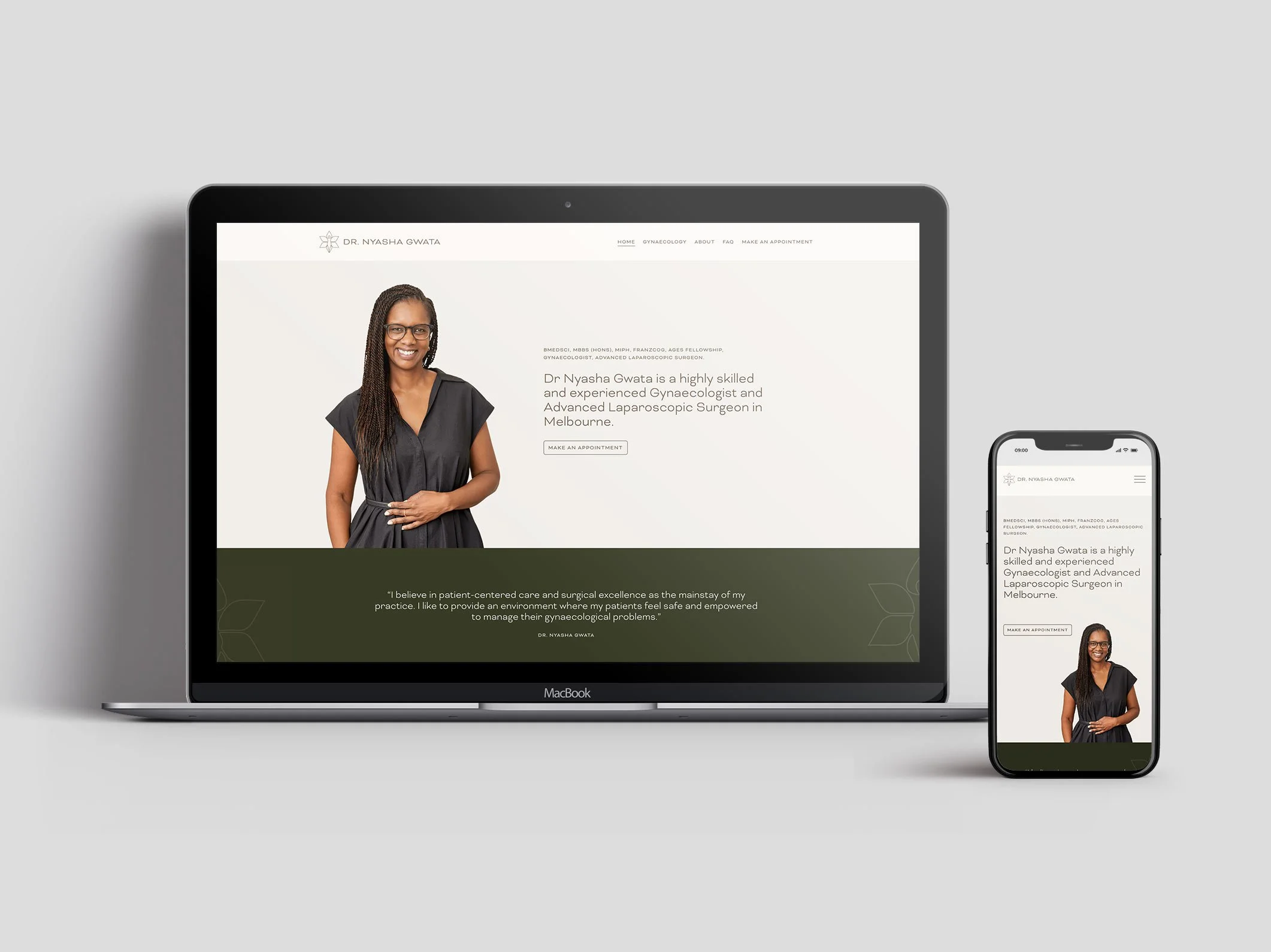
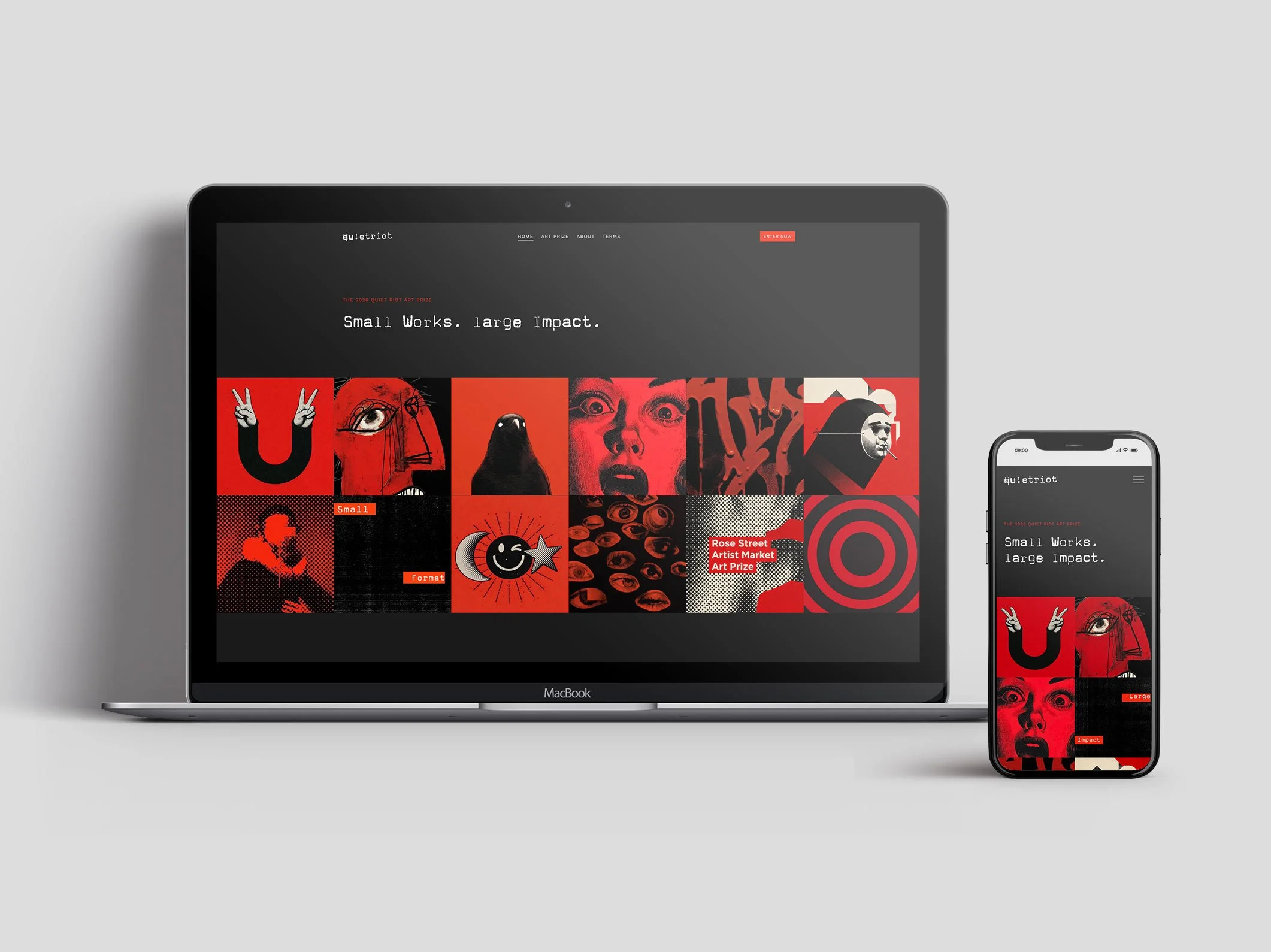
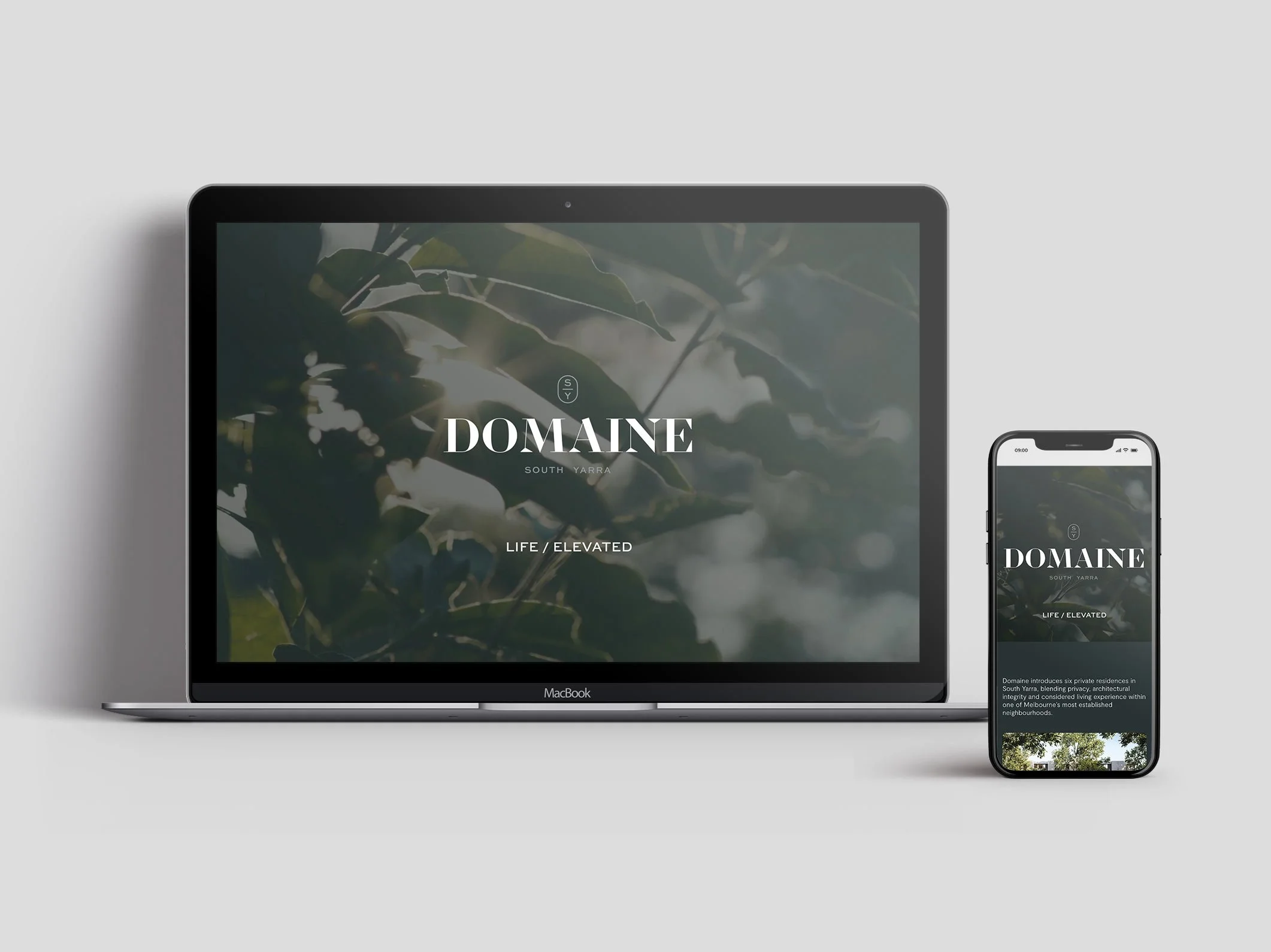
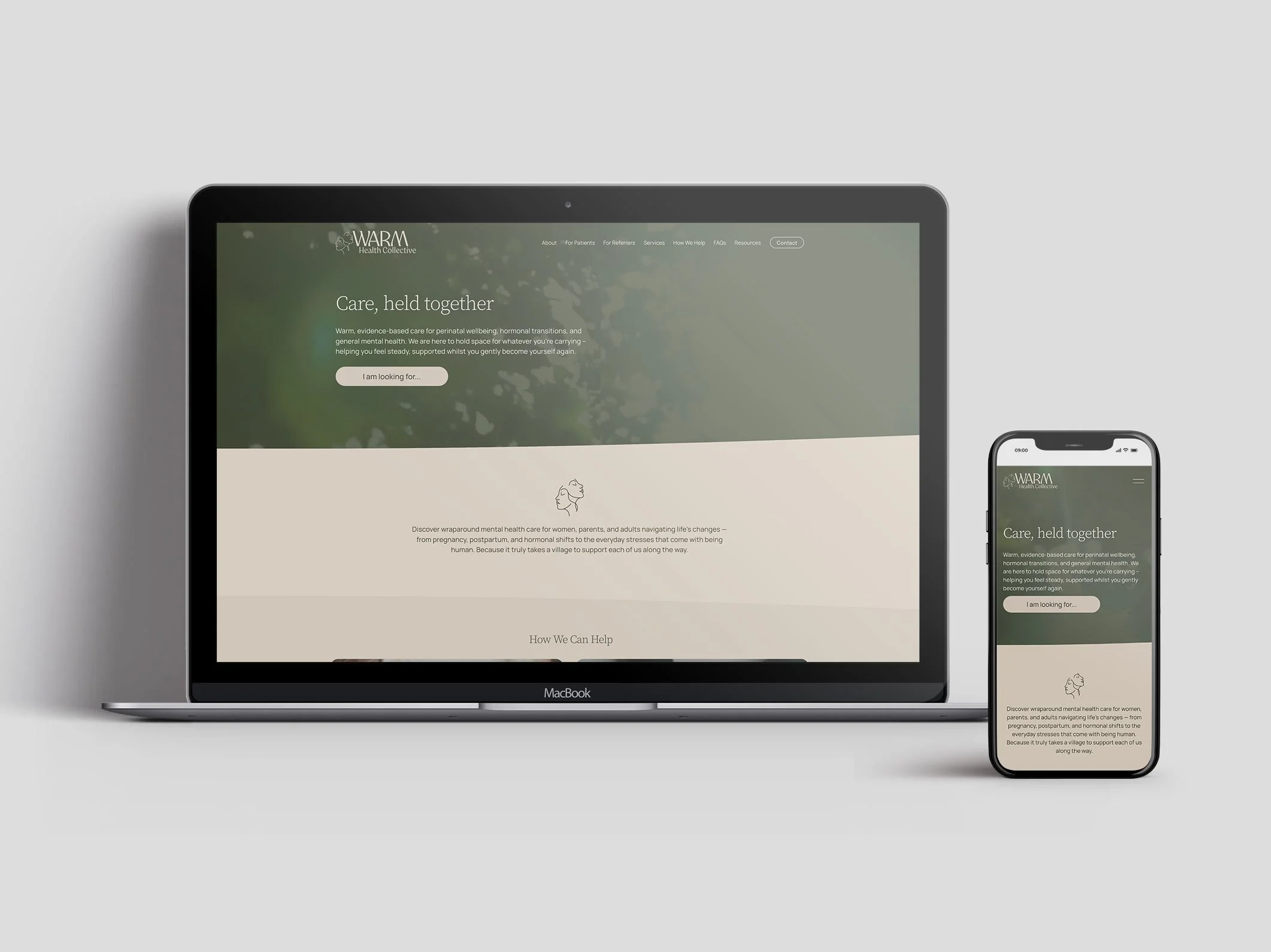
Does the work look custom or templated? Quality Squarespace designers push the platform beyond its defaults. If every site in the portfolio looks like a lightly modified stock template, that's what you'll get.
Is there diversity of industry and use case? A designer who has built for professional services, ecommerce, hospitality, and health demonstrates adaptability. Someone whose entire portfolio is cafés and yoga studios may struggle with a B2B services brief.
Do the sites actually work? Click through to live portfolio sites. Test them on your phone. Check load speed. See how they handle navigation. A beautiful site that loads slowly or breaks on mobile is a red flag regardless of how it looks in a screenshot.
Does the work reflect your brand level? If you're a premium professional services firm, make sure the portfolio includes work at that level. A designer whose portfolio skews toward startup-budget builds may not have the sensibility for an elevated corporate brief.
3. The SEO Question Most Clients Don't Ask
Many business owners assume that any competent web designer will handle SEO. In practice, this is one of the most common gaps — and one of the most costly.
There's a significant difference between a website that is technically built on Squarespace (which has reasonable SEO foundations) and a website that has been deliberately structured and written to rank. The latter requires a designer who understands keyword strategy, on-page optimisation, URL architecture, heading hierarchy, image optimisation, page speed, and — increasingly — how AI search engines like Google's AI Overviews, ChatGPT, and Perplexity surface and cite content.
Ask any potential designer directly: what does your SEO process look like? What do you do during a build to support search visibility? How do you approach page titles, meta descriptions, and heading structure? If the answer is vague — or if they tell you SEO is a separate service with no overlap into the build — be cautious.
The best Squarespace designers treat SEO as integral to the build process, not an add-on. Structure, content hierarchy, and technical foundations should be considered from day one.
4. What Happens After Launch
Launch day is not the finish line. It's the starting point. Yet many designers treat it as the end of their involvement.
Before committing to a designer, understand clearly what post-launch support looks like. Specifically:
Is there a warranty period during which bugs and issues are fixed at no charge?
What does ongoing support look like — retainer, hourly, prepaid hours?
Will you receive training so you can manage the site yourself?
How quickly do they respond to support requests?
A 12-month warranty and structured handover training should be standard, not exceptional. If a designer can't clearly articulate their post-launch support model, assume there isn't one.
This matters more than most clients realise. Squarespace releases platform updates that can occasionally affect custom-designed elements. Your business will evolve and your site will need to reflect that. Having a designer you can rely on after launch is the difference between a website that stays effective and one that quietly degrades over time.
5. Transparent Pricing and Realistic Timelines
Vague pricing and optimistic timelines are the two most common sources of client frustration in web design projects.
A professional designer should be able to give you a clear, itemised quote after a proper discovery conversation — not a ballpark figure plucked from thin air. They should also be honest about timelines, including the factors that most affect them (client feedback turnaround being the most significant).
Be wary of quotes that seem unusually low. Quality Squarespace design takes time — strategy, copywriting input, custom design, build, testing, training and SEO work. A $500 website is technically possible. But the result will reflect the investment.
Equally, a high price doesn't guarantee quality. Ask what's included, what's excluded, and what happens if the scope changes. A designer who can answer these questions clearly and confidently has done this enough times to know where projects typically go sideways.
6. Communication and Collaboration Style
You'll be working closely with your designer for weeks, possibly months. The quality of that working relationship has a significant impact on the quality of the end product.
During initial conversations, pay attention to whether the designer is genuinely curious about your business — or whether they're moving quickly toward a quote. A good designer asks questions. About your customers, your competitors, your goals, what you've tried before and why it didn't work. This isn't small talk. It's the research that makes a website effective rather than generic.
Also consider the practical communication structure. How will you receive updates? How are feedback rounds managed? What's the revision policy? These aren't bureaucratic details — they're the things that prevent misalignment and scope creep.
The best client-designer relationships feel like a genuine collaboration. You bring the business knowledge; they bring the design and technical expertise. When those two things combine well, the result is a website that is both strategically sound and beautifully executed.
7. The Red Flags Worth Knowing
After years in this industry, certain warning signs appear consistently:
No discovery process. A designer who jumps straight to a quote without understanding your business, your audience, and your goals is building a website for themselves, not for you.
Portfolio on request only. Any professional designer should have a publicly accessible portfolio. Reluctance to share work openly is unusual.
Guarantees that sound too good. "Page one of Google in 30 days" is not something any honest SEO or web designer can promise. Guaranteed results should prompt scepticism, not confidence.
No clear contract or scope document. A professional engagement should always begin with a written scope of work that both parties have agreed to. Informal arrangements leave you unprotected if things go wrong.
Offshore builds marketed as local. Some agencies present as Australian but outsource the actual build work overseas. This isn't inherently wrong, but it should be disclosed. If local expertise and communication are important to you, ask directly who will be doing the work.
Choosing Well Is Worth the Effort
Your website is often the first impression your business makes — and for many clients, the deciding factor in whether they contact you. The time you spend choosing the right designer is an investment in getting that first impression right.
Ask the hard questions. Review the work carefully. Look for specialism, transparency, and a genuine interest in your business outcome — not just your brief.
If you'd like an honest conversation about whether Squarely is the right fit for your project, we're always happy to talk it through — no pressure, no obligation.
Clients ❤︎ Squarely
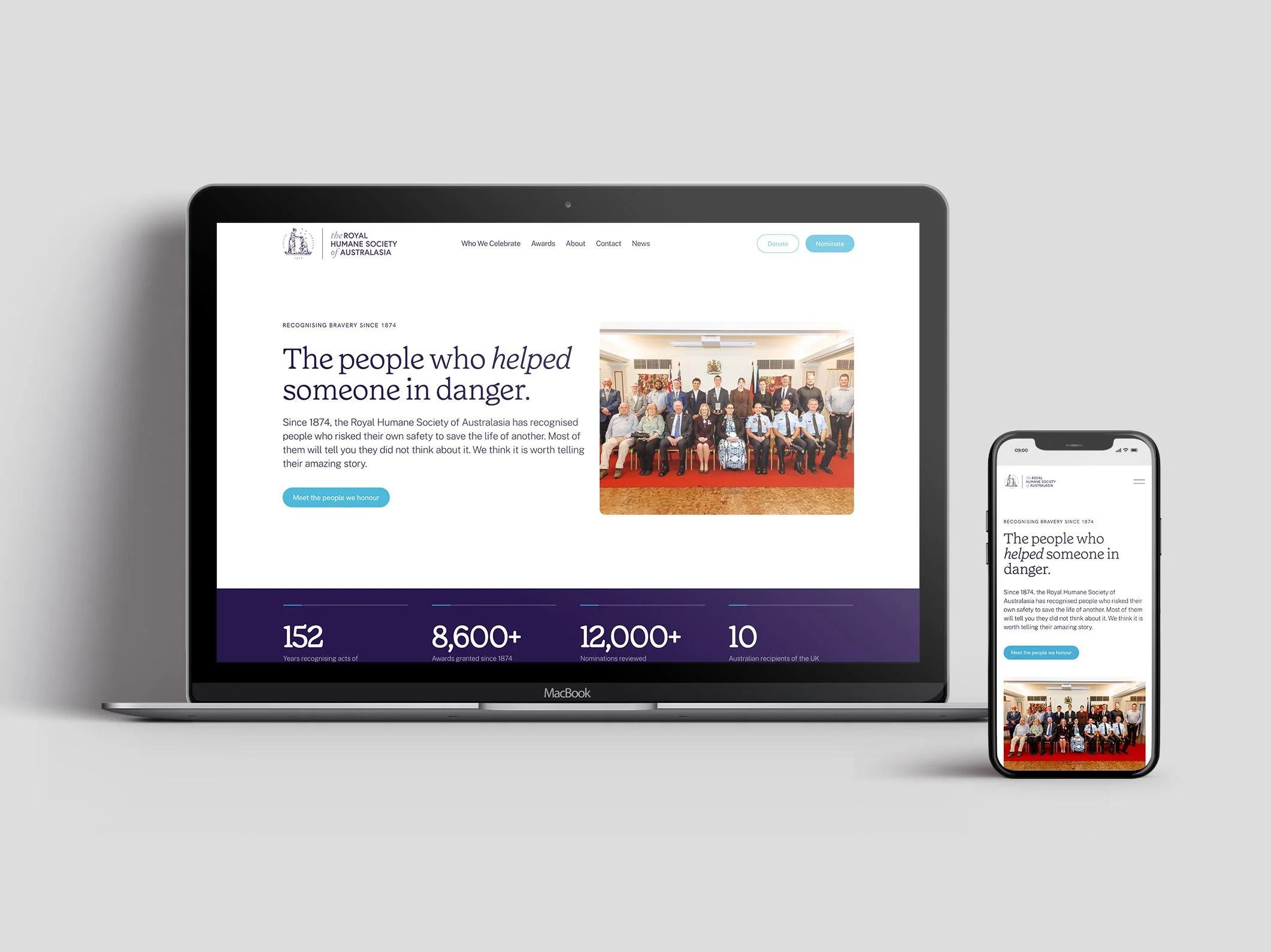
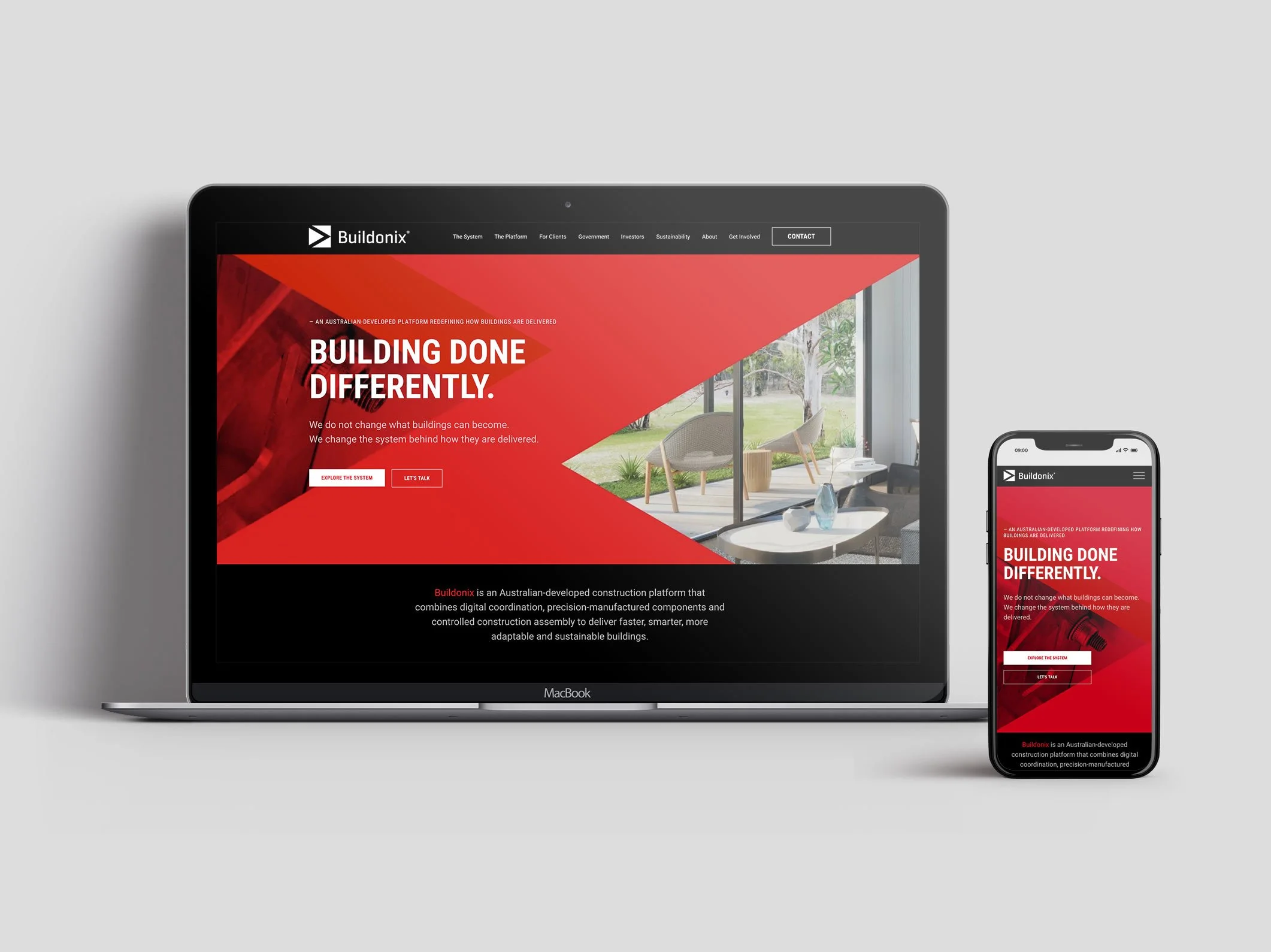
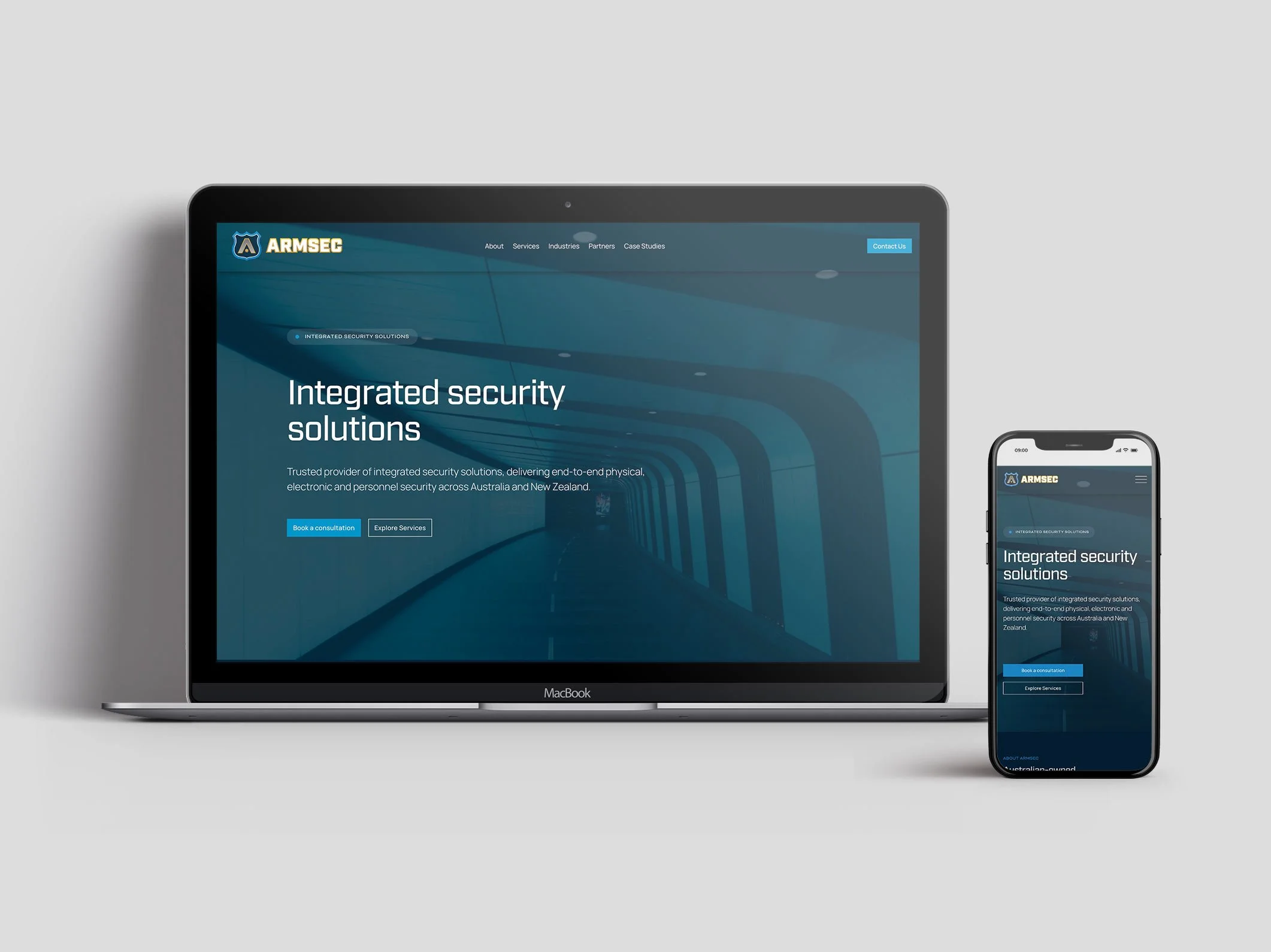
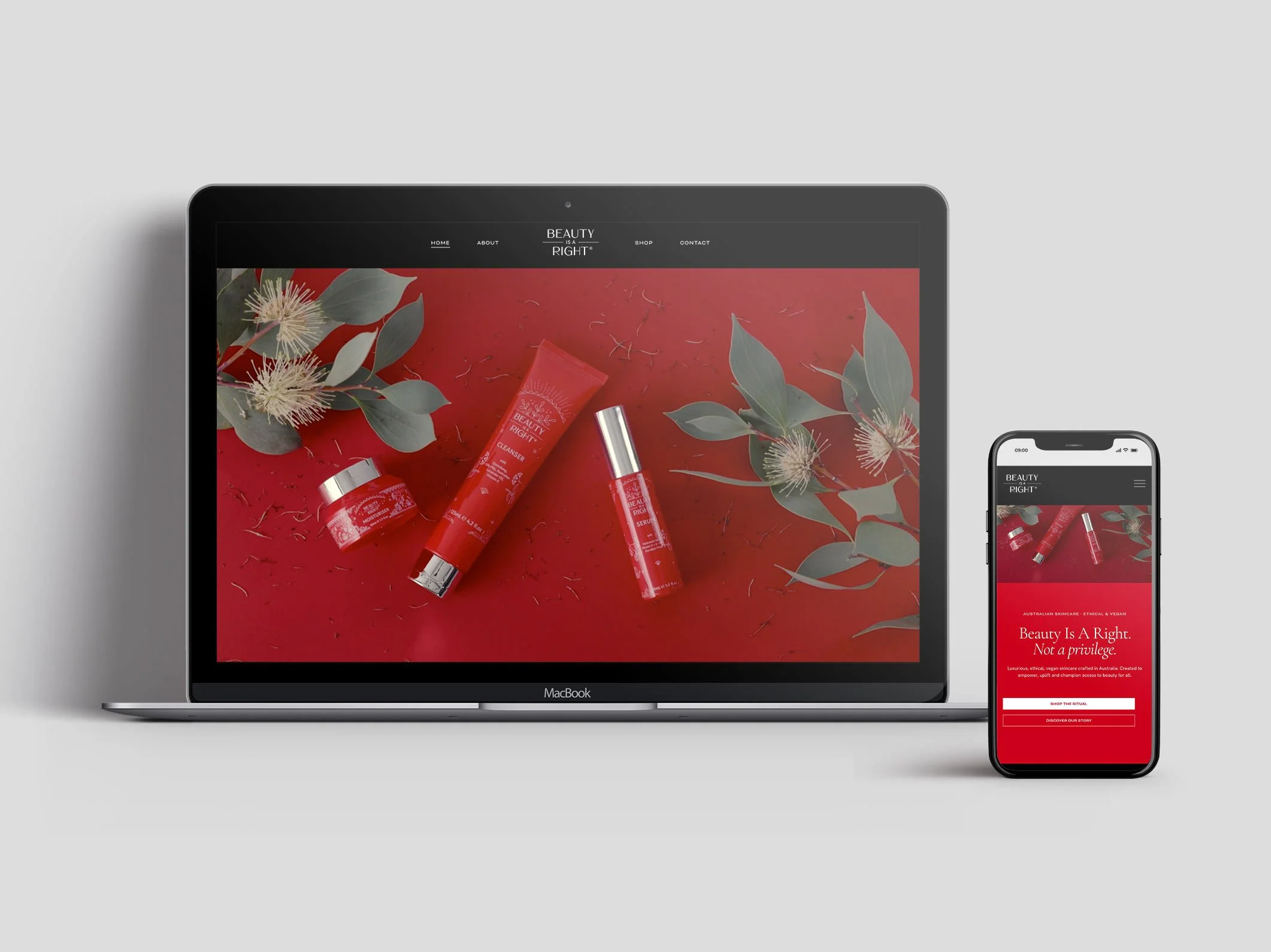
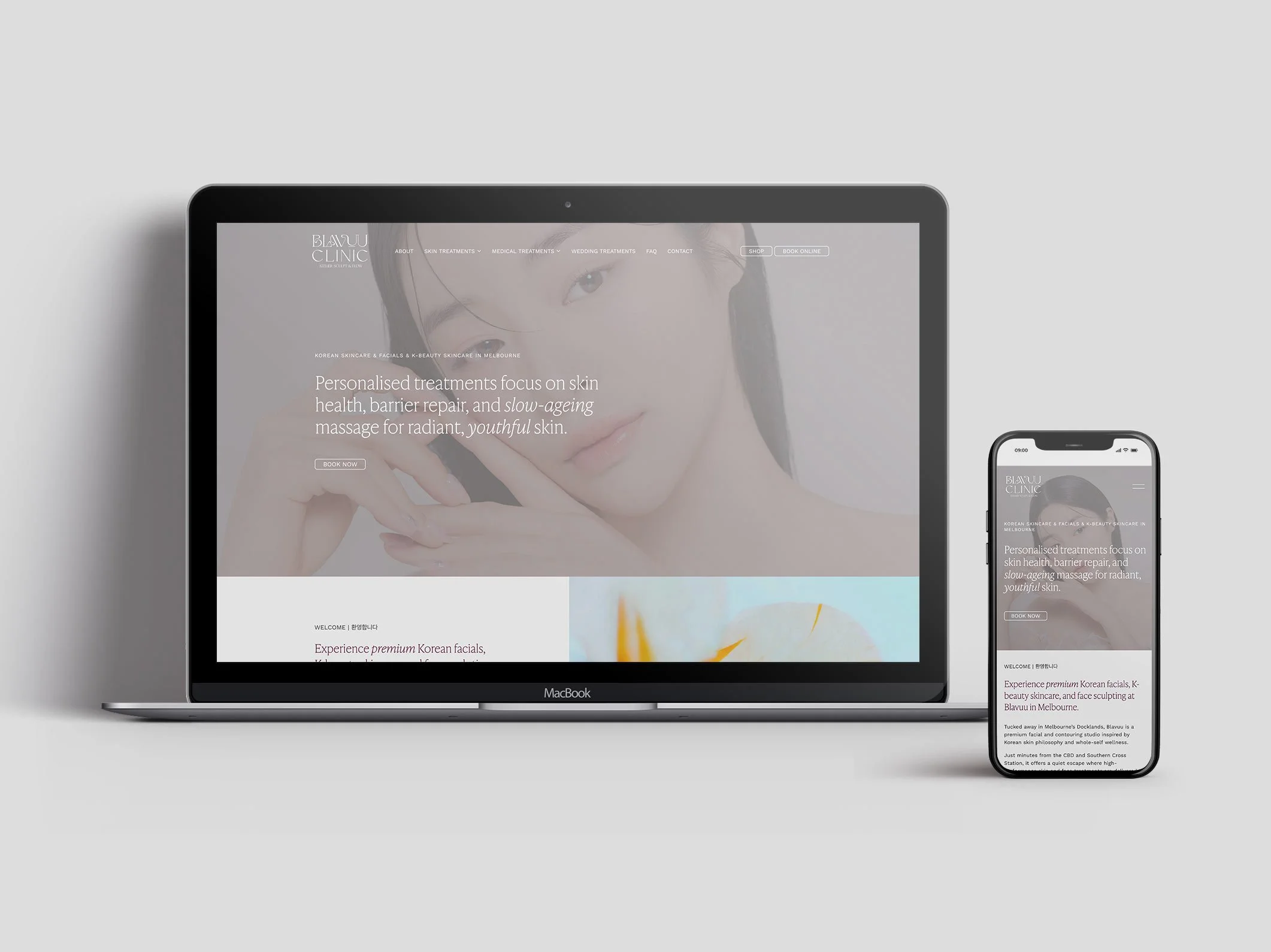
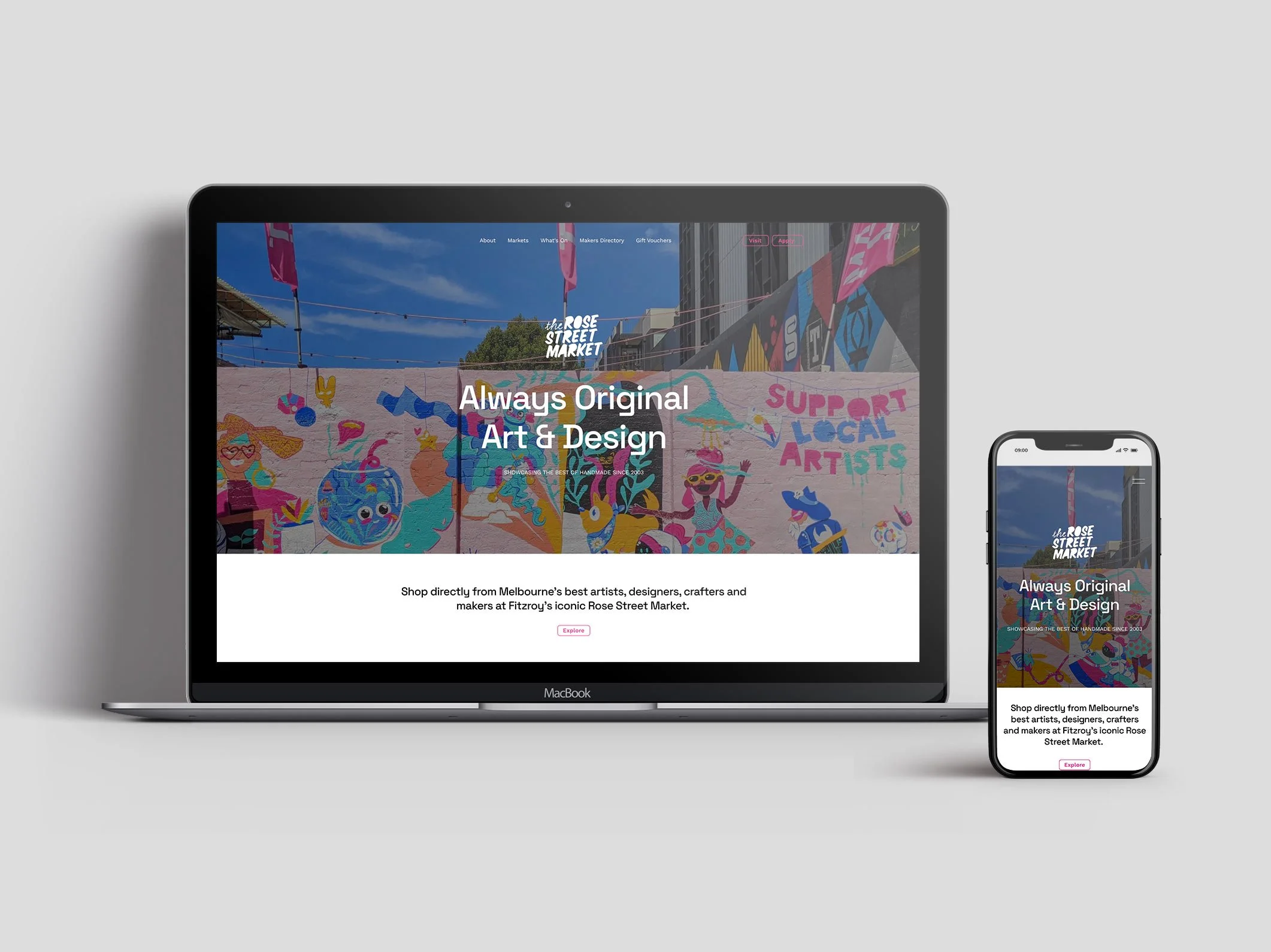
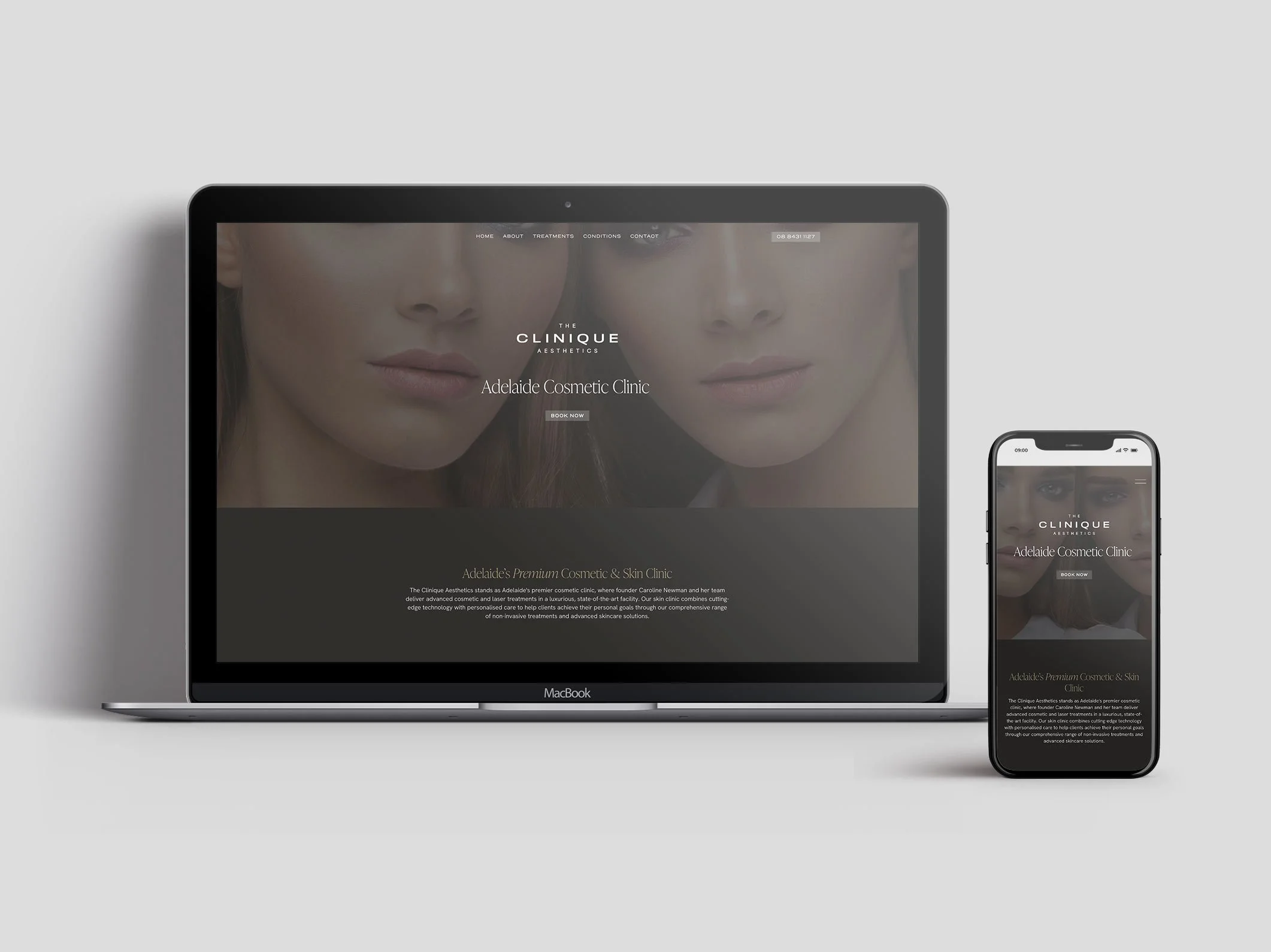
Some recent work

RECENT ARTICLES