
Your Law Firm's Website Is Either Building Trust or Destroying It — Here's How to Tell
In law, reputation is everything. You've spent years — possibly decades — building yours. The question worth asking is whether your website is reflecting that reputation accurately, or quietly undermining it every day.
Most law firms underinvest in their digital presence. They treat their website as an obligation rather than an asset, resulting in pages that are outdated, difficult to navigate, and designed by someone who prioritised technical function over strategic communication.
The result? Potential clients land on your website, find it unconvincing, and contact your competitor instead.
What a Client Sees Before They Call You
Before a potential client picks up the phone, they will have formed a strong opinion of your firm based entirely on your website. They'll have assessed your credibility, gauged your approachability, checked that you handle their specific legal issue, and made a judgement — usually within 30 to 60 seconds — about whether you feel like the right fit.
This isn't irrational behaviour. It's the natural human process of trust-building in a digital environment. And it means your website has enormous commercial consequences, regardless of how good your actual legal work is.
Clients seeking legal advice are typically in a high-stakes moment. A property purchase, a business dispute, a family breakdown, an employment problem. They want certainty. They want expertise. And they want to feel like they're in capable hands. Your website needs to communicate all three — immediately.
The Common Failures of Law Firm Websites
After reviewing the websites of dozens of law firms across Australia, certain patterns emerge consistently.
Generic, credential-heavy homepages. Leading with "Established 2003 | Committed to Excellence" tells a potential client nothing useful. Your homepage should speak directly to the outcome clients want — protection, resolution, representation — not to your firm's history.
No clear practice area structure. A potential client dealing with a commercial lease dispute should land on a page that speaks directly to their situation. Burying practice areas in a dropdown menu, or describing them in broad legal categories that don't match how real people search, costs you both search visibility and conversions.
Impenetrable legal language. Clients don't come to your website with legal training. Writing your service descriptions in plain English — explaining what you do, who you help, and what the process looks like — builds trust far more effectively than demonstrating your command of legal terminology.
Lawyer profiles that feel like LinkedIn summaries. Your team page is one of the highest-traffic pages on any law firm website. Clients want to know who will actually be handling their matter. Profiles with genuine photos, accessible language, and a sense of personality outperform formal biography-style entries significantly.
No social proof. Client testimonials, Google review counts, case outcomes (where permissible under professional conduct rules), and media appearances all provide the third-party validation that prospective clients are actively looking for.
Why Squarespace Is an Excellent Fit for Law Firms
Squarespace's template ecosystem includes options that communicate the authority and professionalism law firms require, without feeling cold or inaccessible. The platform's built-in SEO tools, blog functionality, and contact form features make it a practical and cost-effective choice compared to bespoke legal website platforms that often charge ongoing licensing fees.
For smaller firms and sole practitioners, Squarespace provides enterprise-quality design at a fraction of the cost. For larger practices, its multi-page architecture handles complex service structures cleanly.
Critically, Squarespace sites load quickly, display correctly on mobile devices, and integrate with tools like Calendly for consultation bookings — an increasingly expected feature for law firms that want to reduce the friction of the first contact.
The Structure of a High-Performing Law Firm Website
The law firm websites that generate the strongest enquiry volumes share a consistent architecture.
A homepage that leads with outcomes, not credentials, and includes clear navigation to practice areas. Individual practice area pages written for the searching client, not for professional directories, with plain-English explanations of the process. Lawyer profiles with professional photography and accessible, humanising copy. A resources section or blog covering common legal questions — an enormously effective strategy for ranking in both organic search and AI-generated responses. Clear, multiple pathways to make contact or book a consultation. And trust signals throughout — testimonials, association memberships, media features — presented without overwhelming the design.
The SEO Opportunity Law Firms Are Missing
One of the most underutilised strategies for law firms is content marketing. The people who need legal advice are actively searching for answers to specific questions: "can my landlord do this?", "what are my rights if I'm made redundant?", "how do I contest a will in Victoria?"
A well-structured blog that answers these questions authoritatively positions your firm in organic search results and — increasingly — in AI-generated answer summaries. This is free, compounding traffic that brings warm leads directly to your website month after month.
We help law firms develop content strategies that align with the questions their ideal clients are actually asking — building visibility that paid advertising cannot replicate.
Your website should be your most reliable new business tool.
We build Squarespace websites for law firms across Australia that convert visitors into enquiries. Book a free discovery call to discuss what's possible for your practice.
Clients ❤︎ Squarely
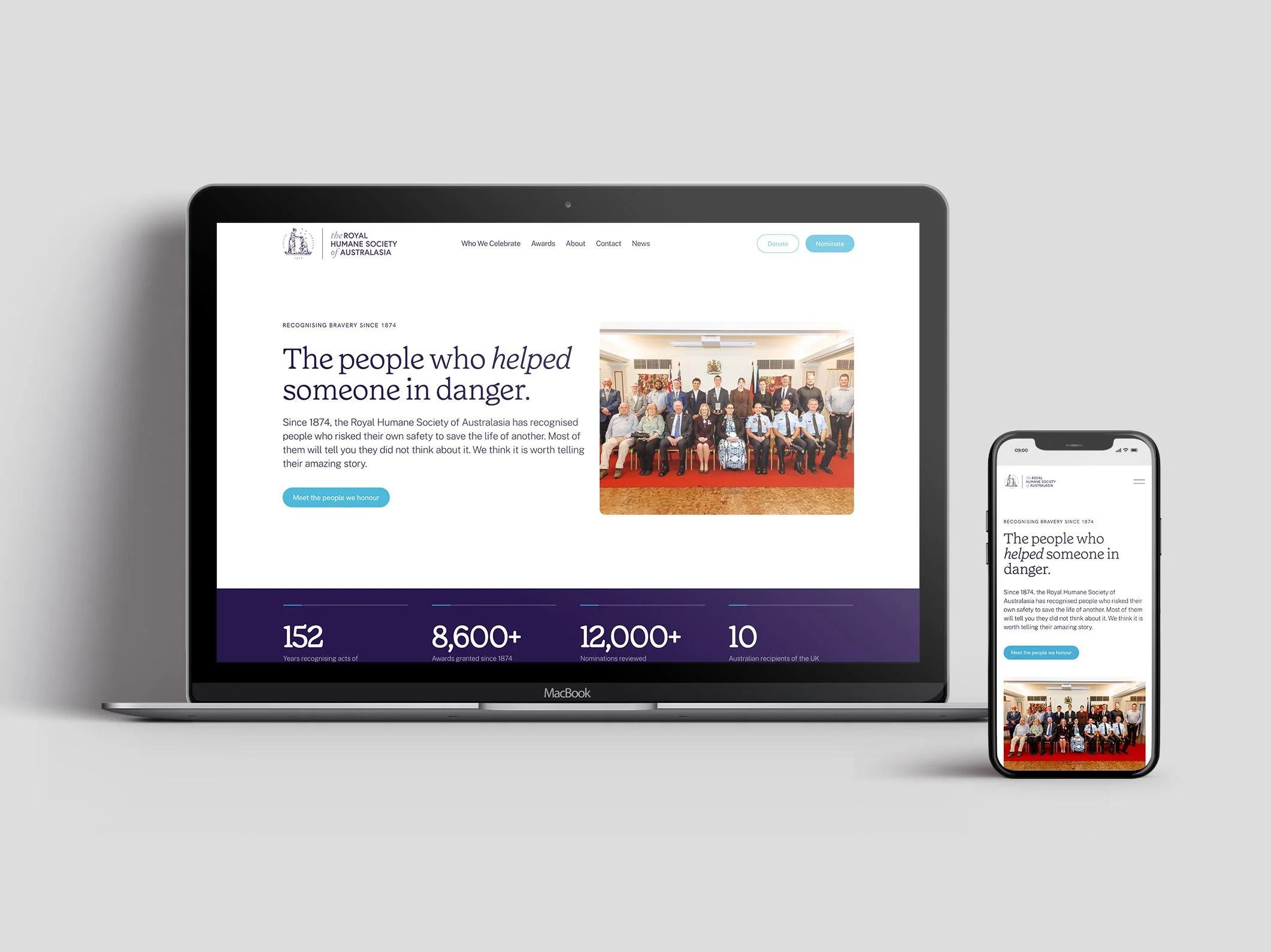
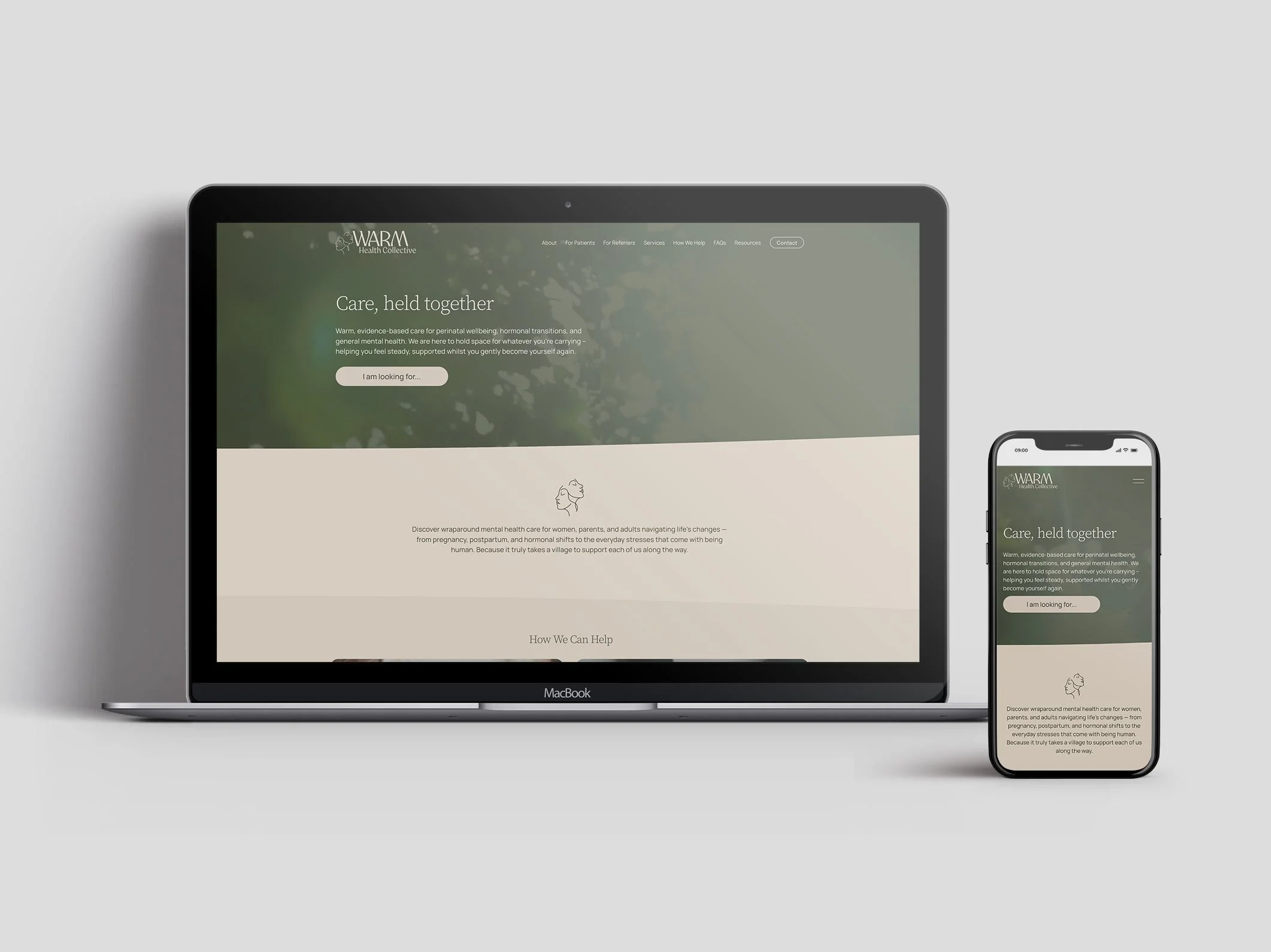
Some recent work










RECENT ARTICLES