
Why Your Psychology Practice is Losing Clients Before They Even Call You (And How Your Website Is to Blame)
Someone has finally worked up the courage to seek help. They've searched online, landed on your website — and within 15 seconds, they've left.
Not because they didn't need you. Not because you weren't qualified. But because something on your website made them feel uncertain, unseen, or simply unconvinced that you were the right fit.
This happens every single day across psychology and counselling practices in Australia. And most practitioners have no idea it's occurring.
Your website isn't just a digital business card. For someone in emotional distress, it's often the first moment of connection — or disconnection — with your practice.
The Psychology of a Psychology Website
Here's something worth sitting with: the people visiting your website are often anxious, overwhelmed, or in pain. They're not browsing casually. They're evaluating whether they can trust you before they've even said a word to you.
This means the design, tone, and structure of your website must work harder than almost any other profession. A chaotic layout, clinical language, or a generic stock photo of someone crying into their hands can undo months of word-of-mouth reputation building.
A well-designed Squarespace website for a psychology practice does several things simultaneously. It communicates warmth and professionalism. It makes it effortlessly easy to book an appointment. It answers the questions people are too nervous to ask. And it reassures visitors — often within the first scroll — that they've come to the right place.
What Most Psychology Websites Get Wrong
The most common issues we see when reviewing psychology and counselling websites in Australia include:
A homepage that leads with credentials, not connection. Clients don't lead with logic — they lead with feeling. Your homepage headline should speak to how your ideal client feels right now, not your list of qualifications. Save the credentials for a dedicated About page where they reinforce trust rather than replace it.
No clear pathway to book. Visitors should never have to hunt for a way to contact you. Your booking link or contact button should appear in the navigation, within the hero section, and at the end of every page. Friction in the booking process costs you clients.
Stock photography that undermines authenticity. Nothing signals "I haven't invested in this" quite like a generic mental health stock photo. A professional headshot and genuine imagery of your consulting space — even a simple, well-lit photo — creates a level of personal connection that no stock library can replicate.
Service pages that don't speak to the client's experience. A page that lists "CBT, ACT and Schema Therapy" may be accurate, but it doesn't help a first-time client understand whether you can help them with their anxiety, their relationship struggles, or their grief. Your services need to be written for the person searching, not for a professional directory.
No FAQs addressing common fears. What does a first session look like? How much does it cost? Is everything I say confidential? Can I do telehealth? These are the questions sitting in your visitors' minds. Addressing them proactively removes barriers and builds confidence.
Why Squarespace Works Exceptionally Well for Psychology Practices
Squarespace's design-forward templates are particularly well-suited to health and wellness professionals. The platform allows for clean, calming layouts with plenty of white space — the visual equivalent of a deep breath. It handles online booking integrations (such as Halaxy or Calendly), telehealth links, and NDIS information pages with ease.
Importantly, Squarespace websites are mobile-responsive by default. Given that the majority of people searching for a psychologist in Australia are doing so on a smartphone — often in a moment of heightened distress — a flawless mobile experience isn't optional. It's essential.
For practices with multiple clinicians or locations, Squarespace also scales gracefully, allowing individual practitioner profiles and location-specific service pages without the complexity of a custom-coded solution.
What a High-Converting Psychology Website Includes
Based on our experience building Squarespace websites for health professionals across Australia, the most effective sites share a consistent structure:
A homepage hero that immediately communicates who you help and how, with a clear call to action. An About page that balances professional credibility with genuine human warmth. Individual service pages written for the client's lived experience, not clinical terminology. A Resources or Blog section that demonstrates expertise and improves search visibility. A Contact page with multiple options — form, phone, email, and direct booking link. And an FAQ section that does the heavy lifting before the first call.
This structure isn't arbitrary. It mirrors the decision-making journey of someone looking for a therapist: first, do I feel safe here? Then, can this person help with what I'm going through? And finally, how do I take the next step?
The Cost of an Underperforming Website
A psychology practice website that converts even one additional client per month — at an average of $180–$220 per session across an ongoing therapeutic relationship — can generate significant additional revenue over a year. More importantly, it can mean one more person gets the support they were looking for.
The investment in a professionally designed Squarespace website typically pays for itself within weeks for an active practice. The question isn't whether you can afford to invest in your website. It's whether you can afford not to.
Ready to create a website that genuinely reflects the quality of your practice?
We specialise in Squarespace websites for psychology and counselling professionals across Australia. Book a free discovery call and let's talk about what your website could be doing better.
Clients ❤︎ Squarely
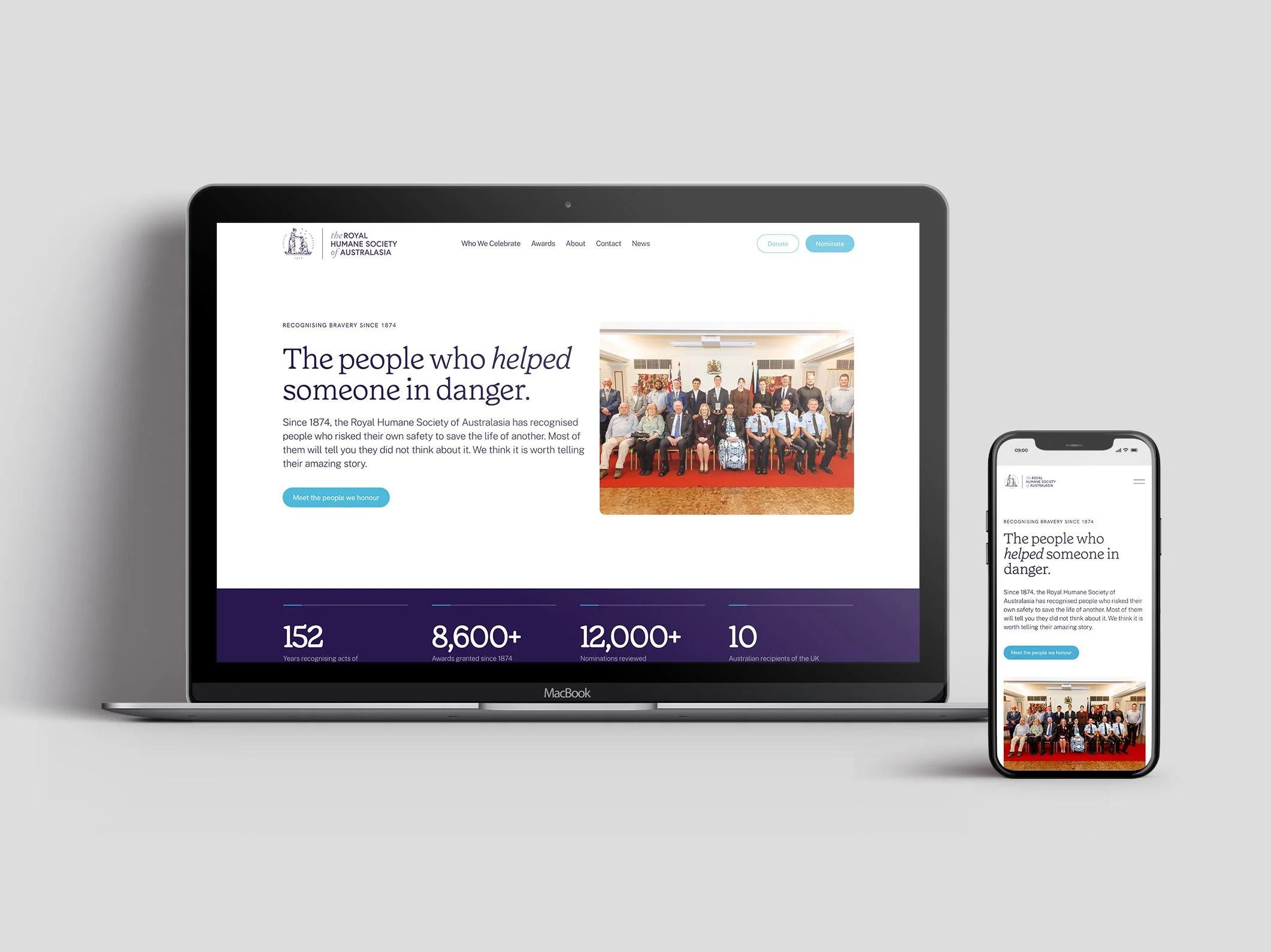
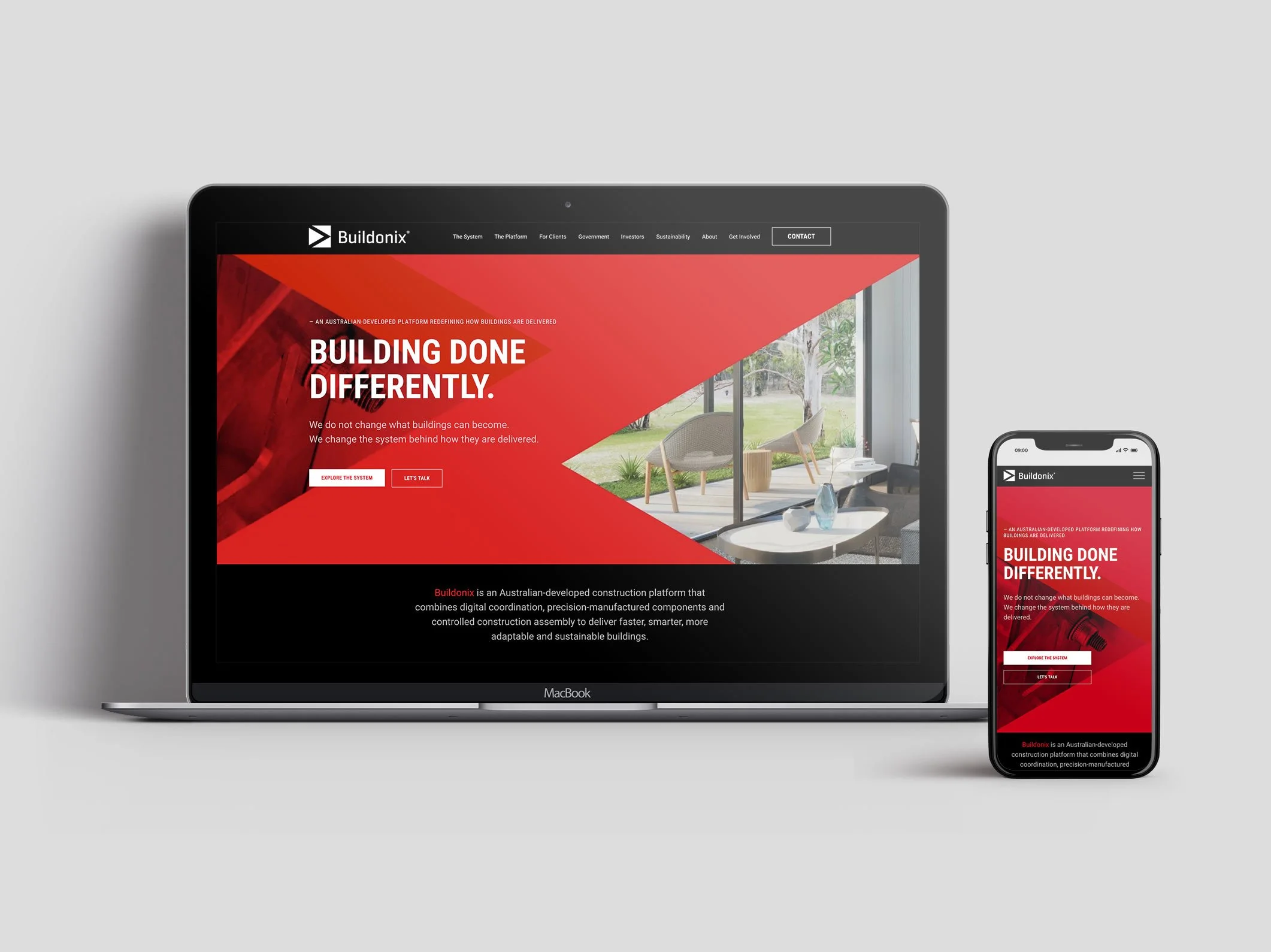
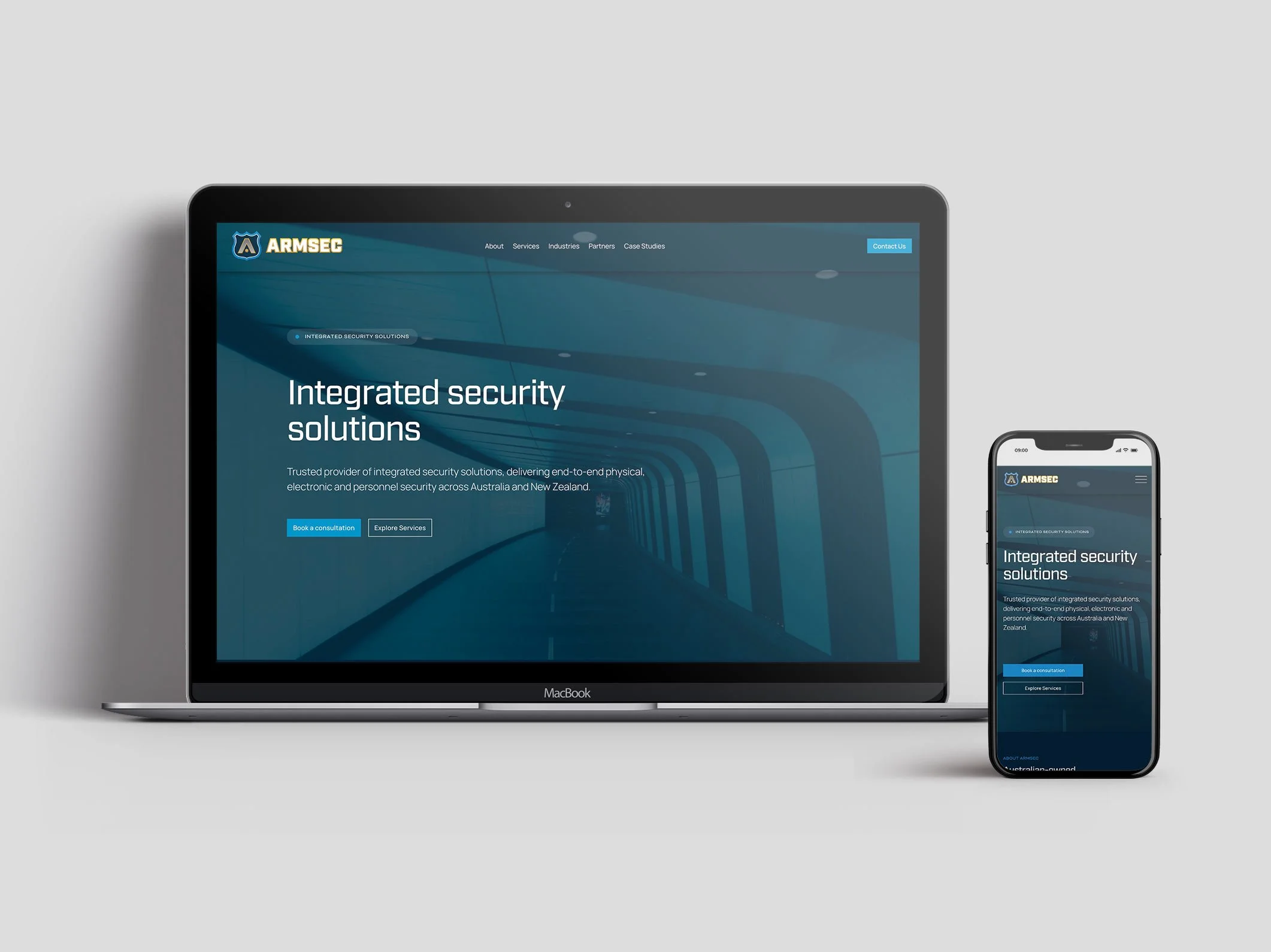
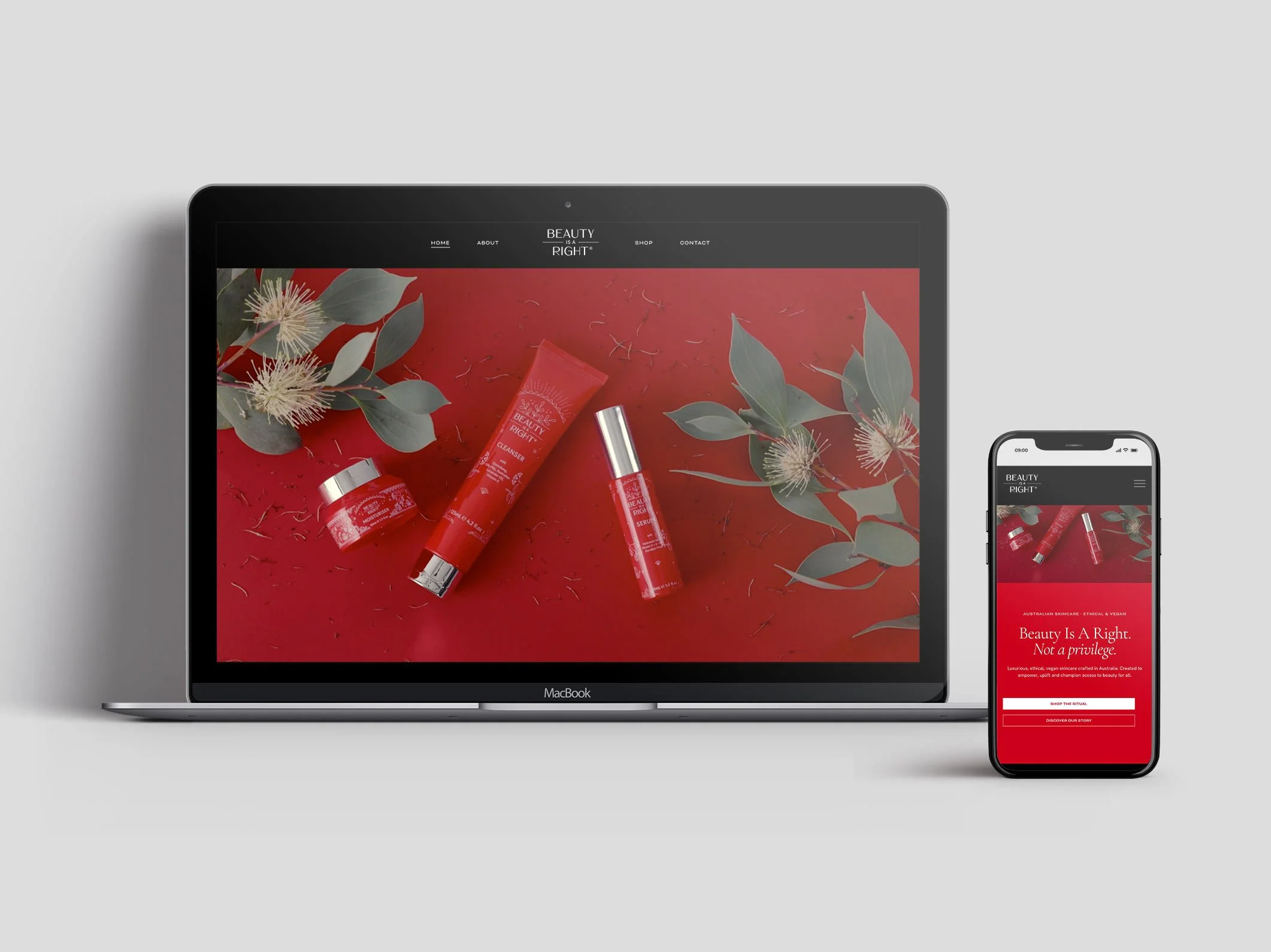
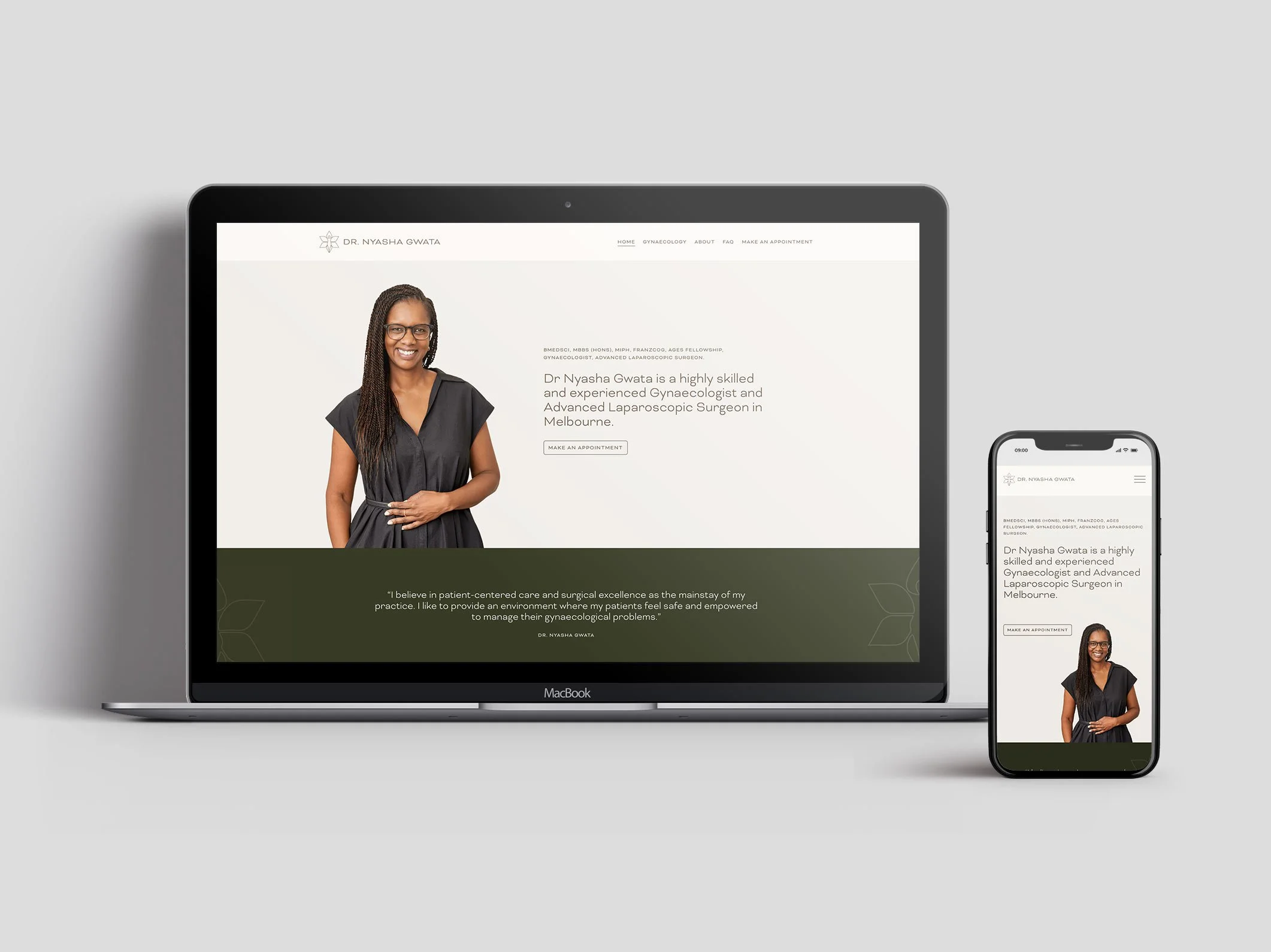
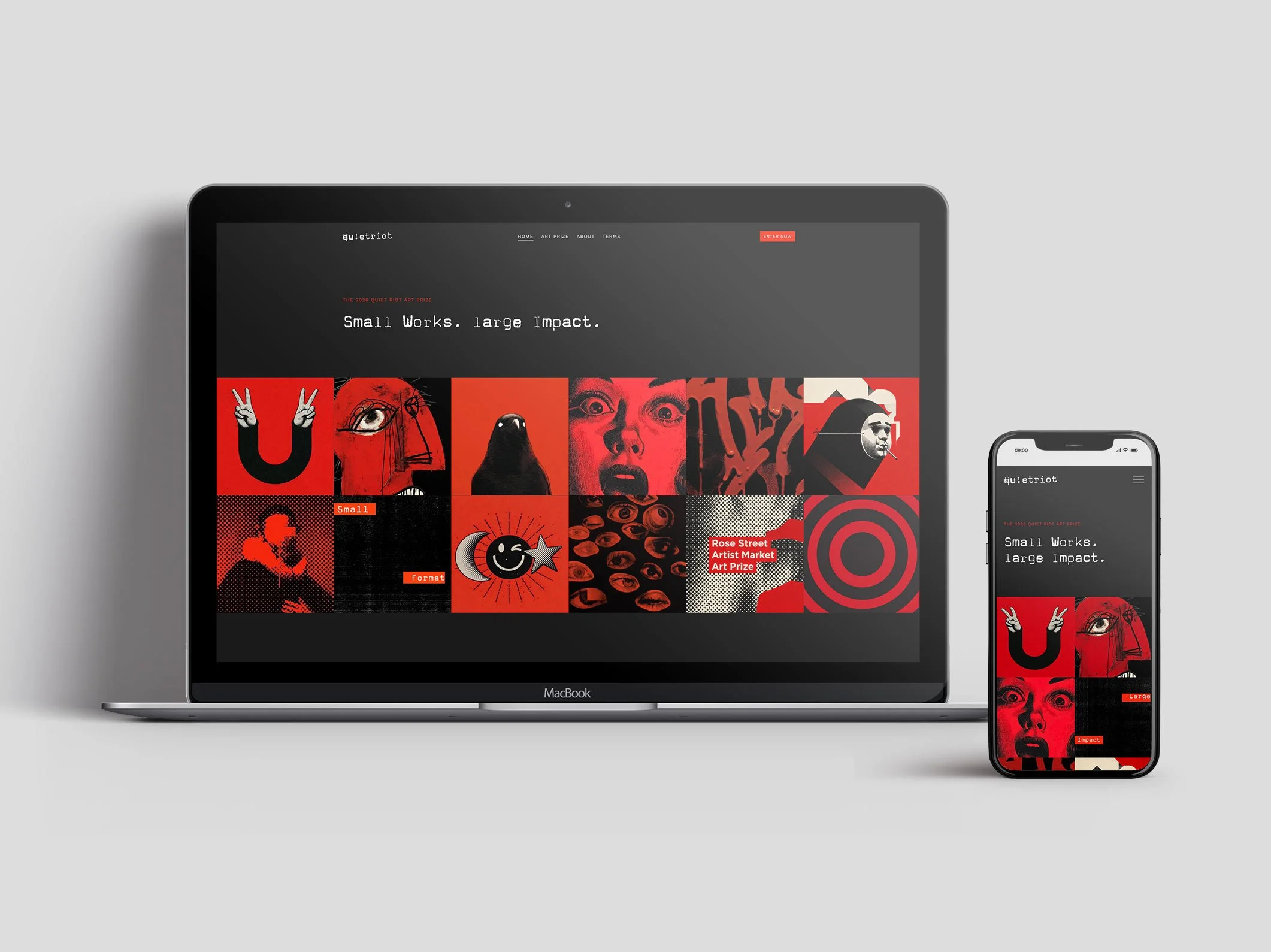
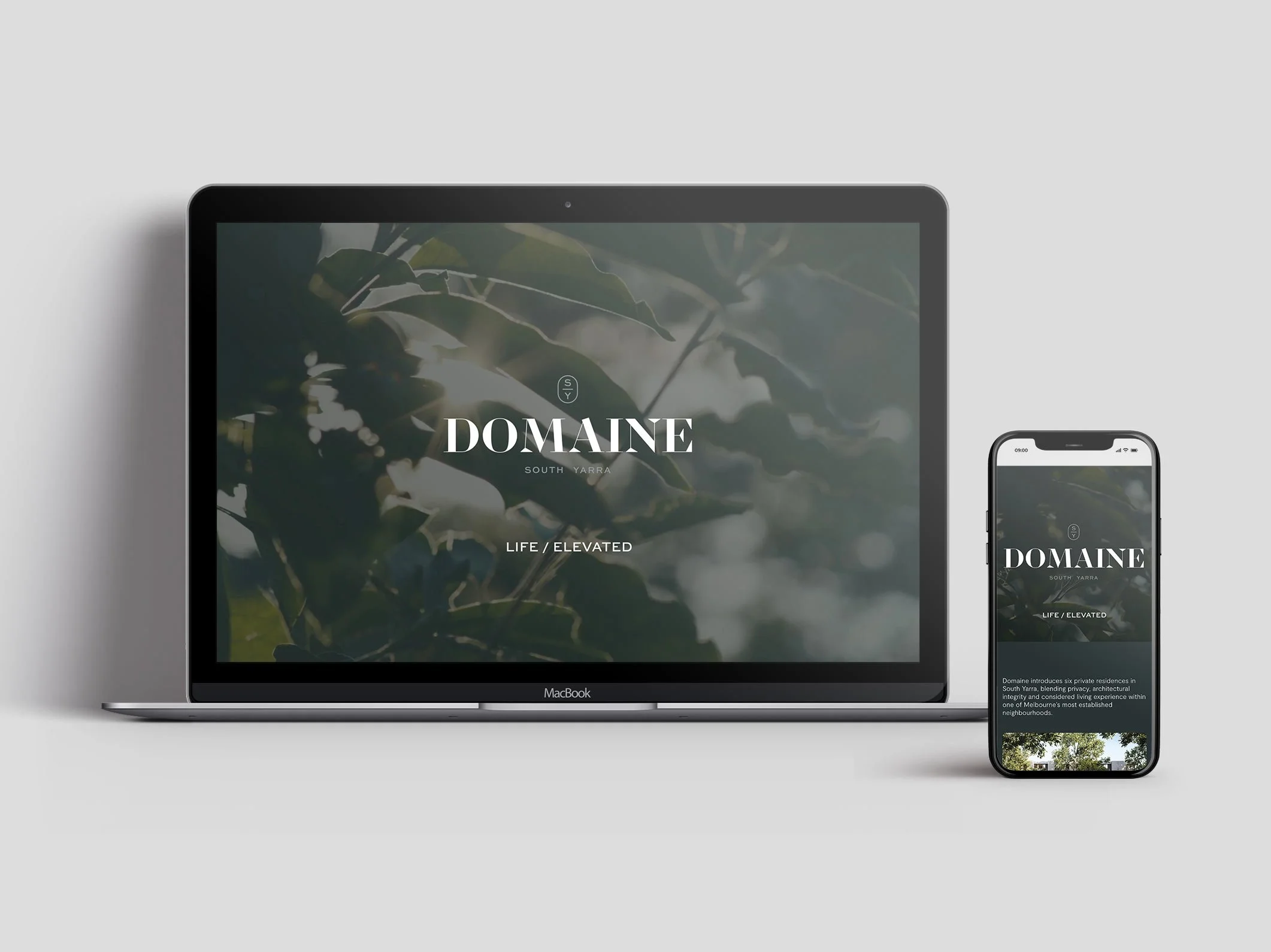
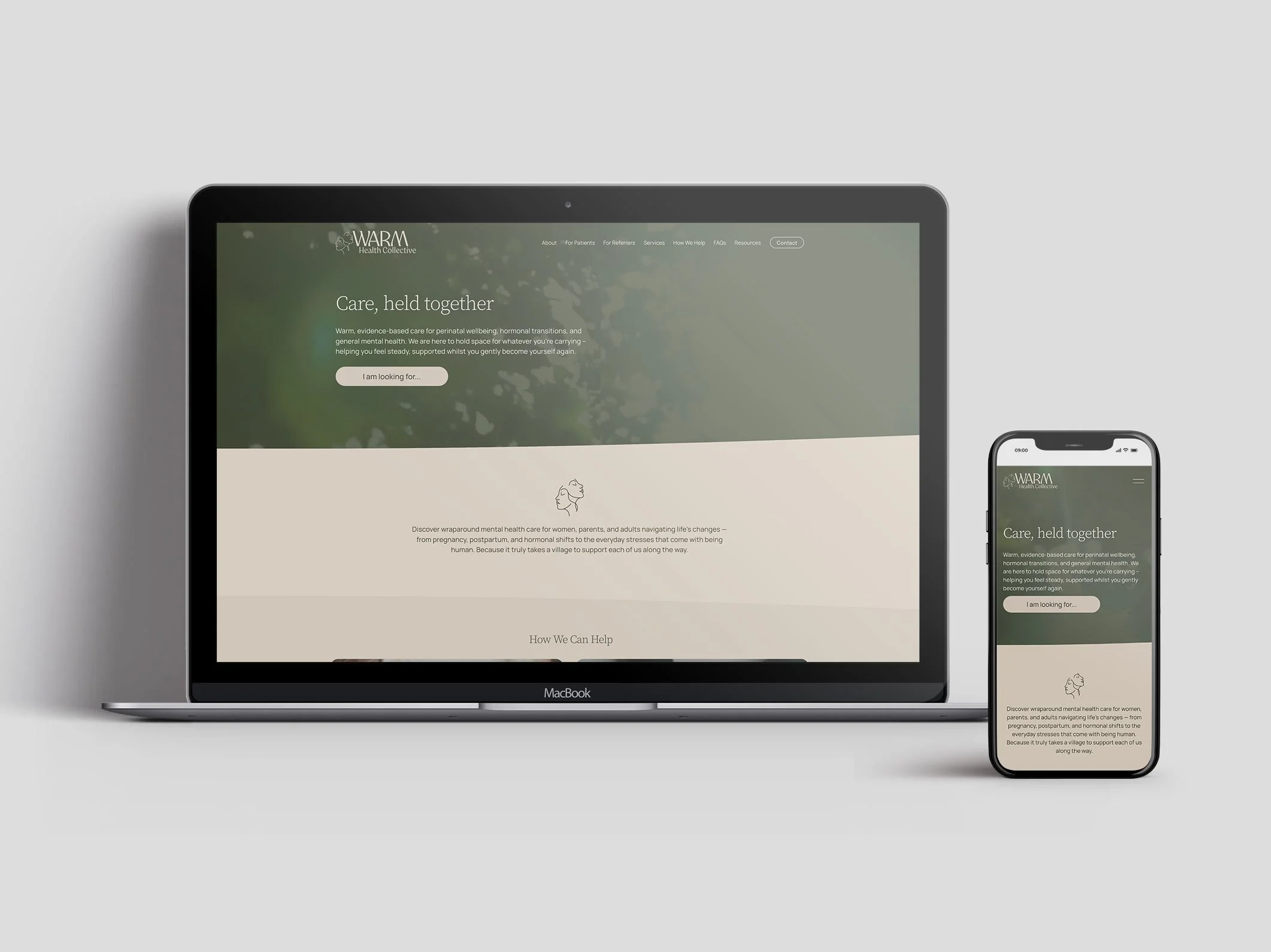
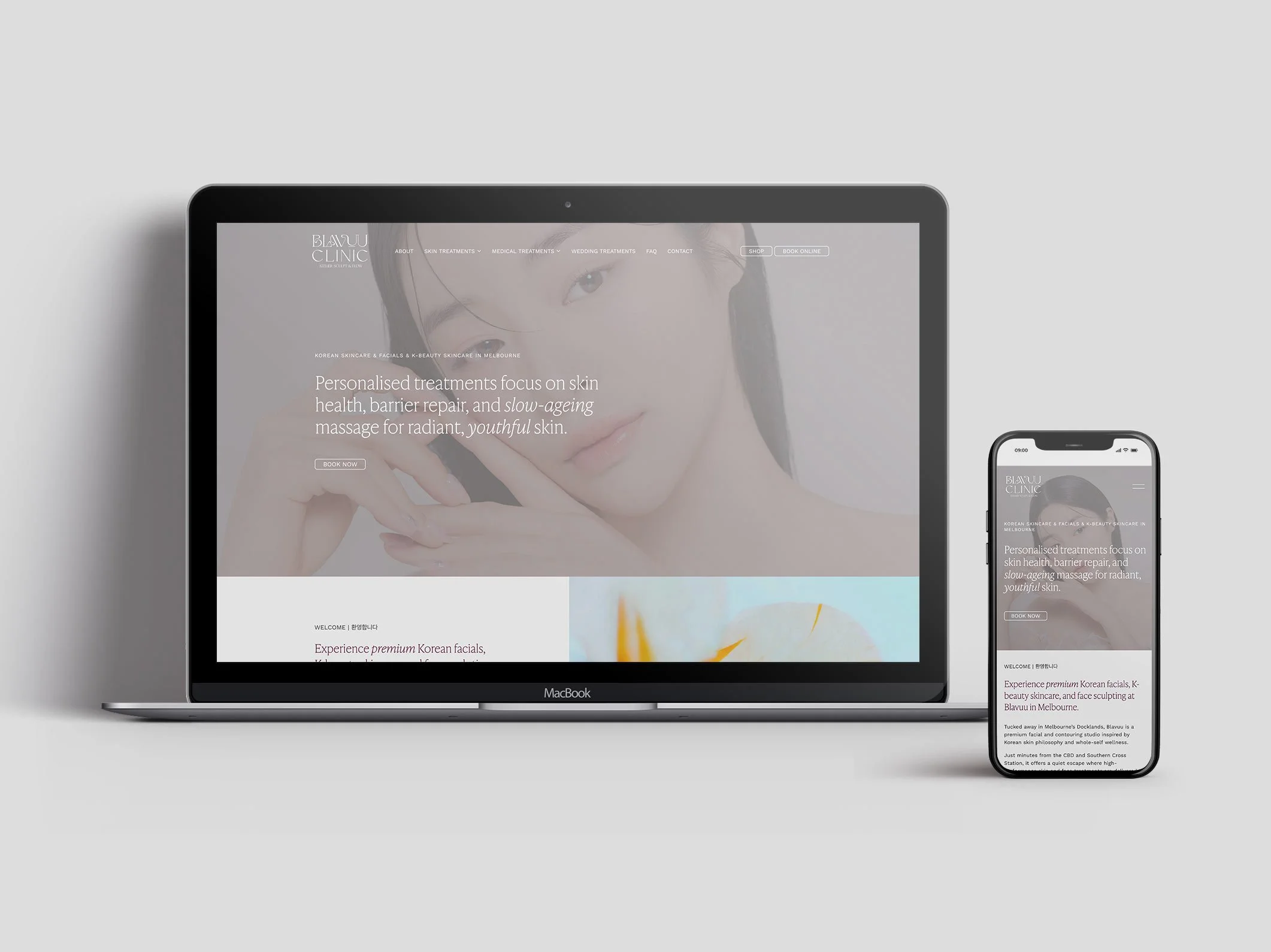
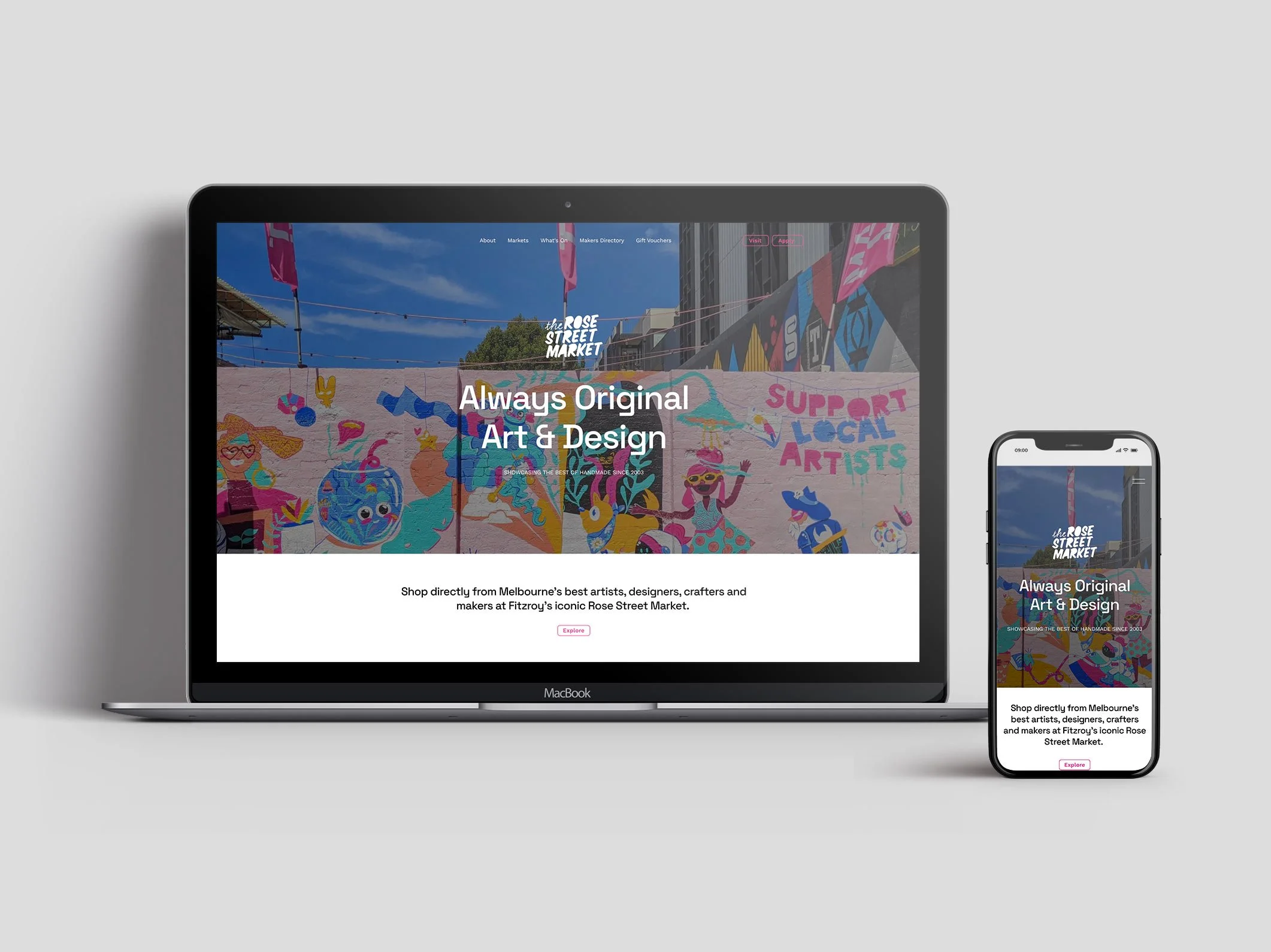
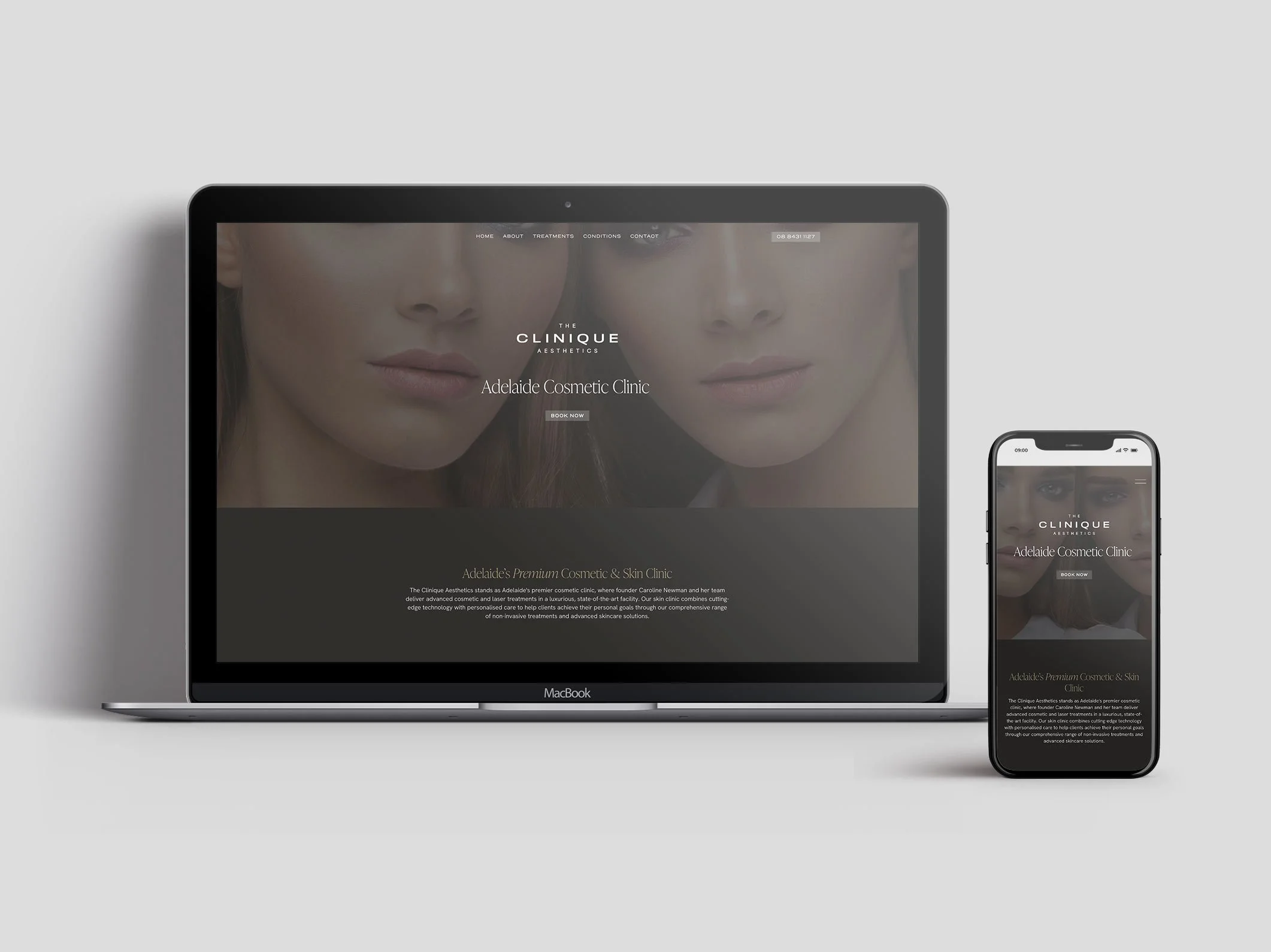
Some recent work

RECENT ARTICLES